Posts

Showing posts with the label Fertilizer

How to Care for Heartleaf Philodendron | Plant Care

Image
Botanical Name: Philodendron scandens Common Name: Philodendron Heartleaf, Sweetheart Vine If there were ever a plant that’s perfect for people who are terrible with plants, it’s the sweetheart or heartleaf philodendron. Not only are they easy to keep healthy but they come in a variety of beautiful shades and can be kept as cheerful, bushy plants or graceful trailers. Heartleaf philodendron is a popular house plant because it is extremely easy to grow. The Philodendron Heartleaf is a fast-growing, easy, vining plant. Its graceful, heart-shaped leaves are dark and glossy green in color but almost look transparent at times. Native to Africa and the Canary Islands, the Heartleaf can be grown as a trailer or climber. This full, trailing plant is perfect on top of bookshelves or in a plant hanger where its vines can ‘spill’ out. The Philodendron Heartleaf is incredibly forgiving and will tolerate all kinds of neglect including low light, poor soil, and inconsistent watering. This is a gre...

Yucca Growing | How To Care For A Yucca Houseplant

Image
If your friendly yucca plants become yellow or may discover black spots on leaves then there may be chances of spoiling the growth of yuccas from blooming flowers. You need not worry as this problem can be easily solved by applying natural fertilizers and by providing sufficient water and sunlight to the plants. The Yucca plant is a perennial shrub in the family of Asparagaceae that is abundantly seen in the Caribbean and American countries. It is a super air-purifying plant and grows well in hot and dry climatic conditions. Plant leaves, stems and roots are poisonous if consumed directly. Though the plant is poisonous it contains powerful antioxidants that help to cure stomach ache, headache, and other skin-related problems in humans. Here in this article, we shared the detailed information related to the yucca plants, growing conditions and how it is helpful in your daily life to lead a happy life. Companion Plants Yucca combination plants include euphorbia, sedum, lilies, sage, rudb...

How to Build the Best Garden Soil

Image
Building up your garden’s soil is the best way to make your garden thrive this year. As we grow plants in our gardens year after year the soil breaks down and needs help to provide your garden with what it needs. If you are growing a garden to feed your family or even to make a little extra money from your garden it is important to have great soil. Building up your soil is an easy taste that has a great reward. Fall is a great time to build up your soil for next year.  Compost, compost, compost for the best garden soil Adding great compost to your soil is an amazing way to build up your soil quickly. Check your local Craigslist for a deal on mushroom compost. This strong compost is often sold by the truckload or large feed bags for cheap. Mushroom compost is high in salt so it is best to add to established plants rather than germinating seeds. This is a great start for any canning garden. If you would rather DIY your compost you can reduce kitchen waste and get great compost for yo...

Growing Bell Peppers in Pots Or Containers

Image
Growing Bell Peppers In Containers Peppers are a complete joy to grow if you live in a continuous hot weather climate that is! If you don’t have the space to grow them in a garden, it gets a little trickier, but don’t fret, a pot is all red peppers need to grow! It’s container gardening at it’s finest! After you’ve got your hands on some pepper seeds or a plant from the local nursery, the next step is, yep you guessed it, you need to find a pot! Time to start growing bell peppers! Pots Or Containers : When browsing for suitable pots, make sure its at least 10 inches deep and 10 inches in width. Drainage holes at the bottom are definitely recommended, a pot of this size can easily grow and maintain 2-3 plants. Avoid place pots if you’re already in a hot climate for your plants will attract a little too much sun. Seeds: If you choose a plant from a nursery you can skip to the next section, however, if you simply purchased some seeds you’ll want some seed food or potting mix as well. Fill...

Tips To Grow Vegetables In Containers

Image
So you don’t have space for an in-ground garden. That’s no reason to give up on growing food at home. You can absolutely grow vegetables in containers! Growing veggies in containers are only a little different from growing in the ground or raised beds. And there are lots of advantages to container gardening. Container gardens do not have to battle weeds, can be placed in any location, and they don’t have to take up very much space. FIVE TIPS FOR GROWING VEGETABLES IN CONTAINERS Here are some tips for getting good results from your veggies grown in pots. CHOOSE AN APPROPRIATELY SIZED CONTAINER. Make sure your container is large enough to provide adequate space for your plant’s roots. The larger the adult plant, the larger the pot. Larger containers mean you’ll have plenty of space for the roots to spread out. Stunted space for root growth leads to stunted plants. Smaller containers will also require more frequent watering and fertilization. CHOOSE AN APPROPRIATE LOCATION The ability to ...

How To Make Your Own Homemade Miracle-Grow

Image
Many people, including myself, avoid using commercial fertilizer on the veggies or plants. It performs well, but some chemicals are involved, which are not environmentally friendly, and some can even harm your plants. I can't even pronounce that they are so dangerous for the atmosphere. Therefore a lot of gardeners prefer more natural ingredients for their gardens. This Miracle Grow fertilizer is an extra organic process to supplement your garden plants. The homemade plant fertilizer recipe is easy to make, and it works well like commercial fertilizer! Retail fertilizers are more expensive. So why several gardeners prefer to make their homemade fertilizers for their garden plants with items located around the home. What is homemade Miracle Grow? Commercial fertilizers are reliable for garden vegetables, plants, shrubs, and the manufacturer promised not to burn your plants while if you used it as directed. However, several gardeners (who love organic) don't prefer to apply chemi...

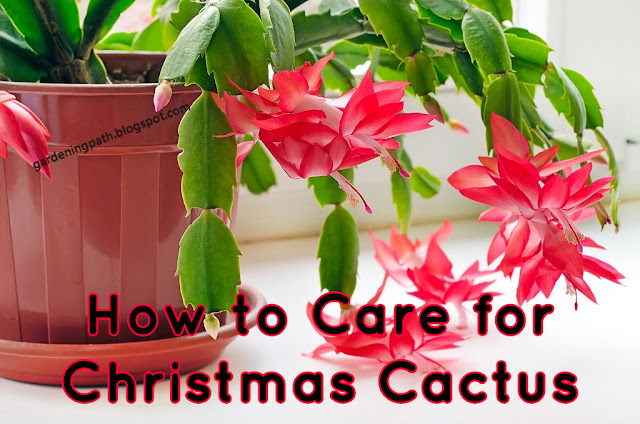
How to Care for Christmas Cactus Plants

Image
Christmas cactus plants (Schlumbergera bridgesii_) are epiphytes that grow naturally in trees in Brazil. They absorb moisture and nutrients from debris that gets caught in the tree branches. Commonly grown as houseplants, they can also be grown outdoors in pots in U.S. Department of Agriculture plant hardiness zones 9 to 11, as long as they are brought indoors if the weather gets too cold. They can survive temperatures down to 20 degrees Fahrenheit, but their stems will be severely damaged. Rooting a New Christmas Cactus To root a brand new cutting of a Christmas Cactus, be sure to plant in a mixture of moist peat and sand soil. You'll want to place the cactus into the soil about a quarter of an inch. Also, be sure not to overwater your newly rooted cactus to avoid rot. Once fully rooted, you can move your plant to a pot with potting soil for a permanent home. Light and Temperature Place indoor Christmas cactus plants in bright, indirect light. Right next to south-, west- or east-f...

How to Care for ( Monstera adansonii ) Swiss Cheese Vine Plant

Image
The Monstera adansonii is a more petite relative of the insta-famous Monstera deliciosa and quite often mislabelled as Monstera obliqua, a rarer family part. With the proper care, the cheese vine plant makes an excellent evergreen indoor houseplant. Because it doesn’t spread as fast as the Monstera deliciosa, it is ideal for shorter spaces. Smaller size, but still a notable impact. It can climb or trail; therefore, your Monstera adansonii is excellent for keeping as an indoor hanging plant or on a shelf where it can cascade down. Monstera adansonii Care Tips Know the basics on how to best care for your Monstera adansonii and make it thrive. It’s not hard, but it does require a little attention. Light It is good to know where the Monstera adansonii originates from. What is the native habitat? Knowing this you can try and and mimic this for your plant in your home. The Monstera adansonii comes from the jungles of Central and South America. In the wild, they grow on tree trunks under cove...

How To Care For Peace Lily (Spathiphyllum)

Image
Peace lilies are not only remarkable through the fact that they stay green all year round, but also because they don’t require too much care, making them great plants for beginners. Additionally, these plants look fabulous in any house and can match almost any interior design. Plus, are excellent air-purifying plants. As always, to find out how to best care for a plant, you first need to know a few things about its origins. Therefore, let me provide you a little background about peace lilies. Peace Lilies Despite its name, the peace lily is not a member of the Liliaceae family but belongs to the family Araceae, in the genus of Spathiphyllum. The peace lily is a perennial plant indigenous to the tropical regions of the Americas and southeastern Asia. In its natural habitat, this plant grows on the floor of the tropical forests, amongst the trees. Many say that the name “peace lily” comes from its white blossoms that look like white flags of peace. While the name “peace lily” is frequent...